Commenda: The Start Up Story
Commenda helped enterprises legally establish (incorporate) in other countries. This makes it easy for the company to carry out legal operations in the said country. Why would the companies want to incorporate themselves in other countries? Incorporating generally makes it easier for your business to raise capital or apply for a loan by giving a sense of legitimacy to your business. When you incorporate, it also means you can open up a bank account and start building a line of credit, which, for a small business owner, is a necessity.
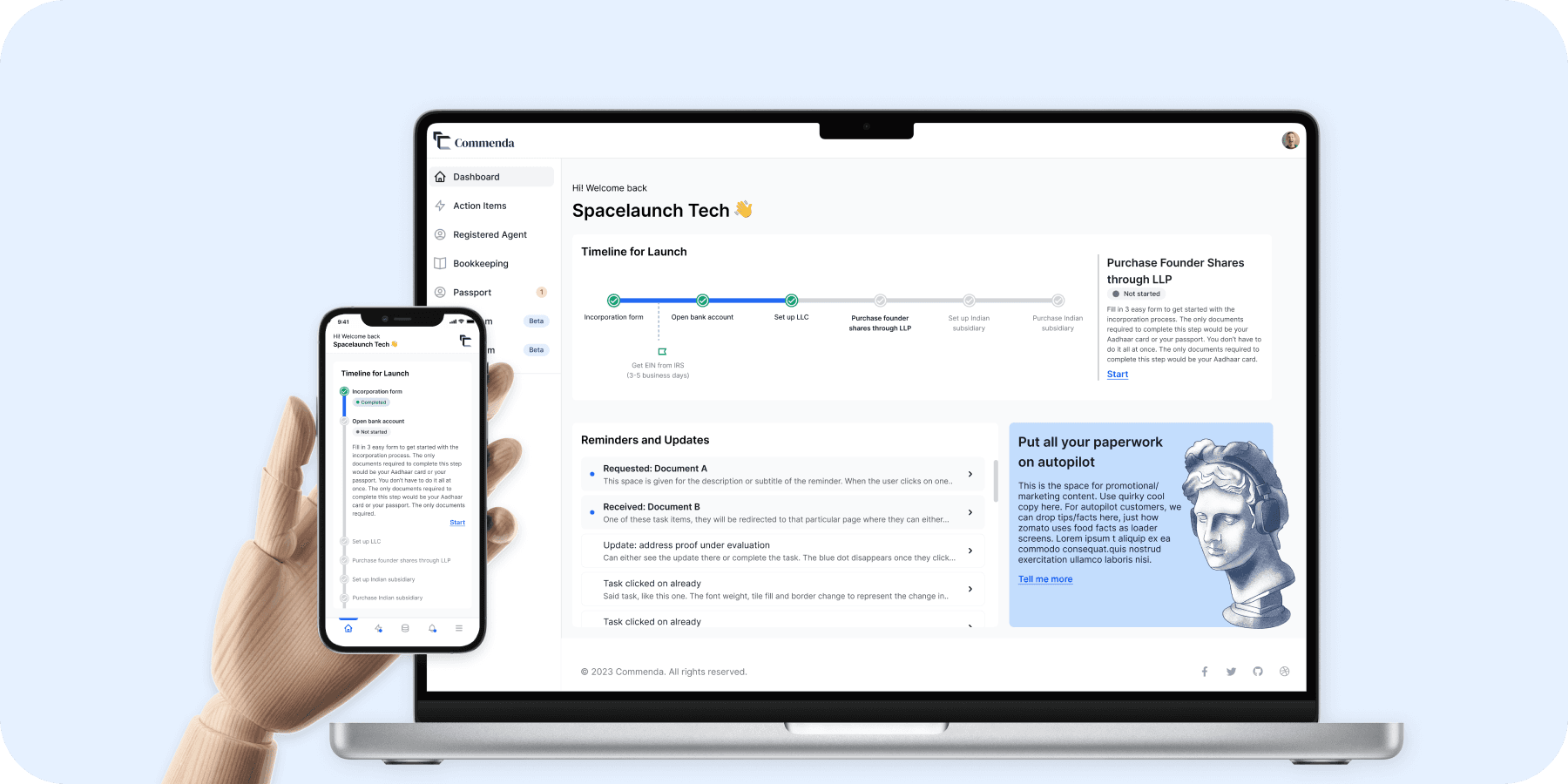
Problem Statement
Commenda faced challenges in streamlining the complex process of incorporating companies, where a large volume of documents need to be exchanged, signed, and approved. The lack of a centralized, accessible depository for these documents, coupled with limited communication channels between customers and their Chartered Accountants (CAs), led to delays, confusion, and inefficiencies in completing the incorporation process. Additionally, customers lacked visibility into the status of each step, resulting in uncertainty and frustration.
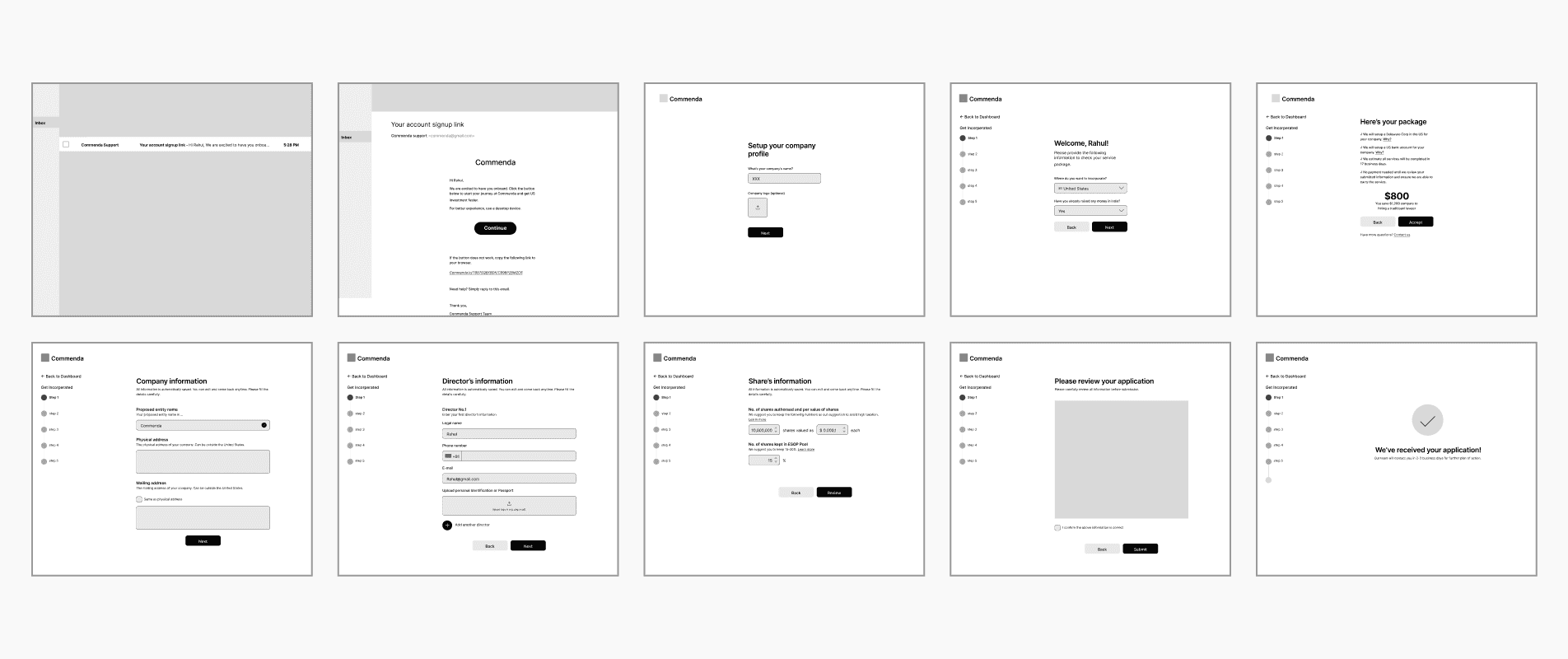
Advocating for research? Who said its easy
Advocating for research at a time when a bunch of customers are waiting and investors are watching is harder than you'd imagine. Things had to be fired up pretty quickly. We wanted a website as soon as possible so customers could find us and sign up somewhere, hence I designed a sign up flow. This website was only a placeholder as we hammered a rough roadmap into place.
A Quick Chat with Customers
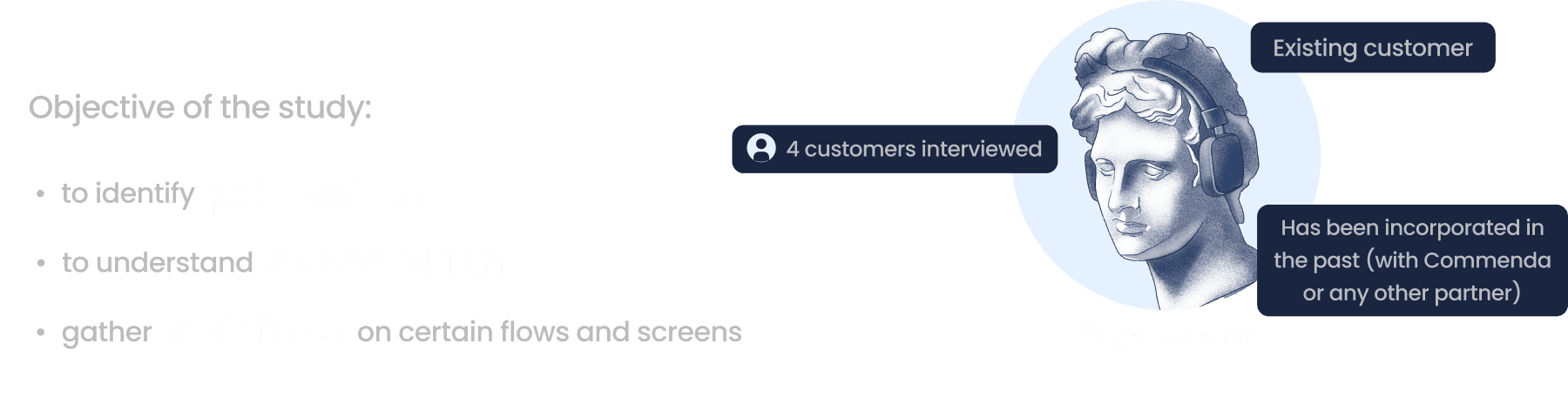
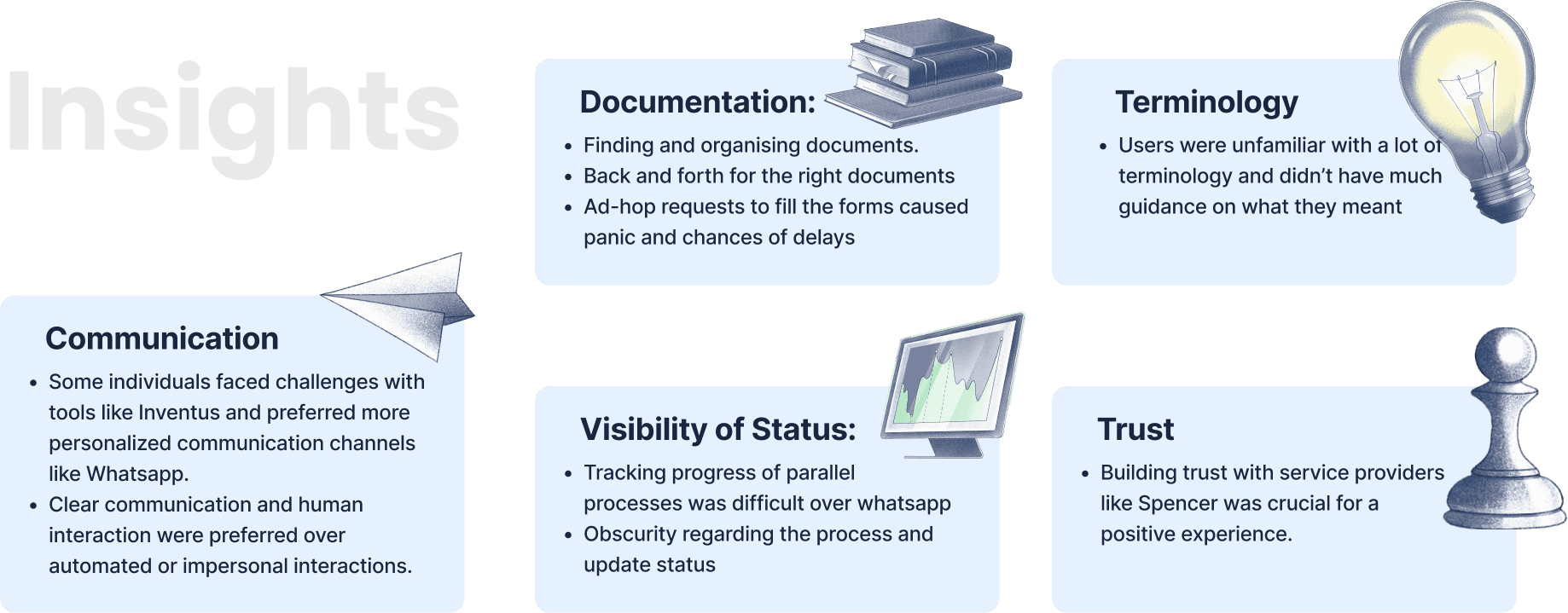
I was able to squeeze in small 30 minute interviews with customers in between the ramp up period and designing the website. Talking to the customers was crucial for me to understand who we are designing for. I prepared a questionnaire, scheduled the calls and off I went (felt like Dora the Explorer ngl)
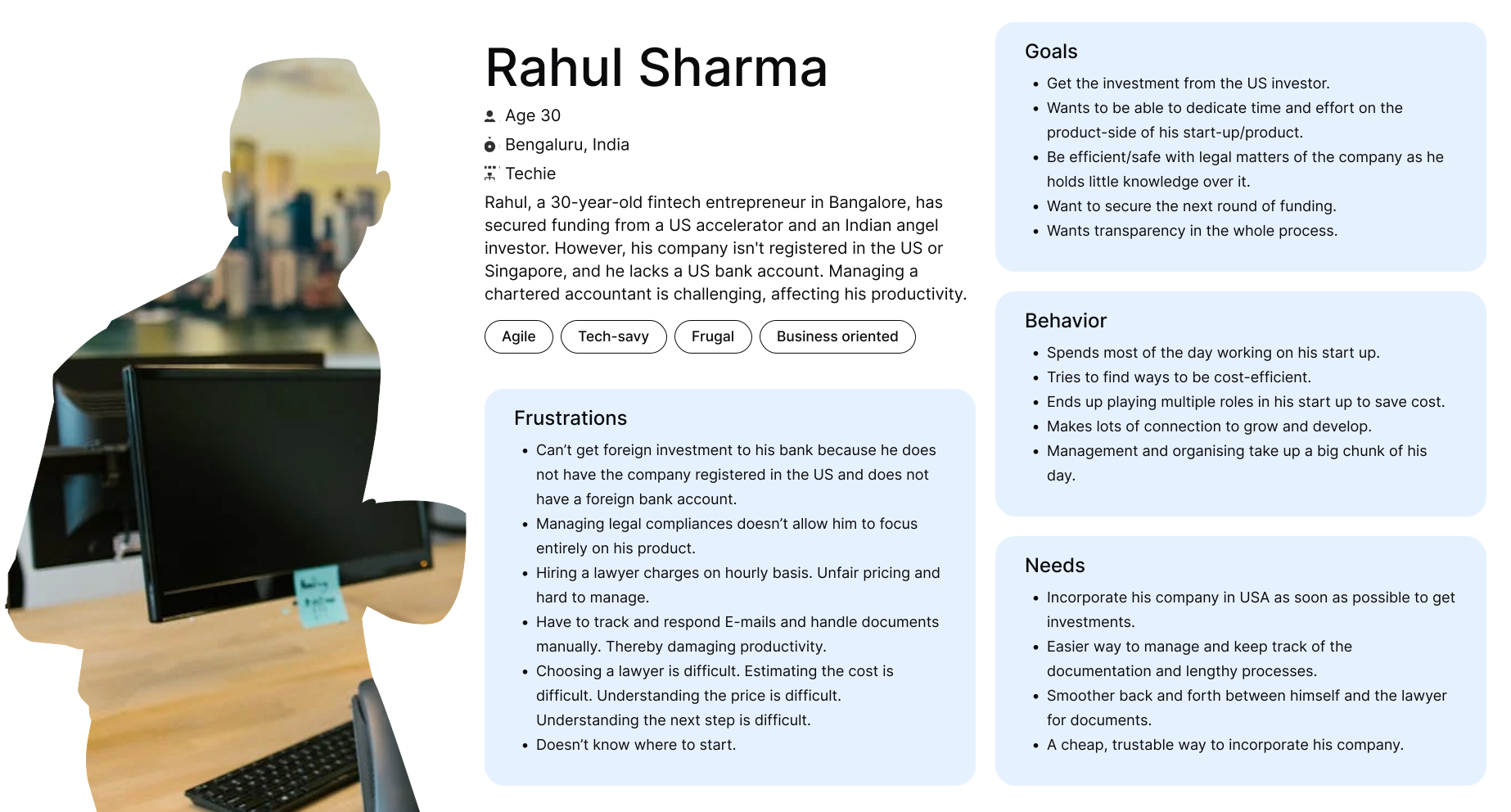
Persona
After some conversations with the team and a look at our existing customers, I whipped up a quick persona. This helped align everyone on who we were designing for. With the growth of the company, customers will evolve, change and increase, so should our strategy.
How we worked
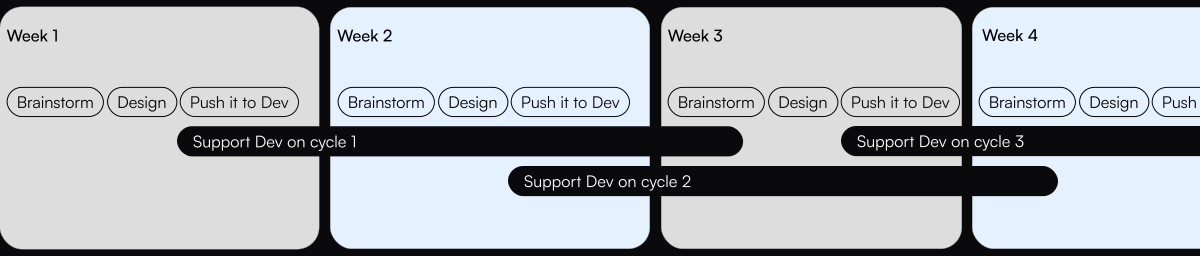
We would pick up one feature at a time, brainstorm it, design it and push it to development (fast paced, I know). I would set up calls with founder and developers to make sure we set realistic expectations. We figured out a pattern that worked for our sprints. (image below)
User flow
Initially, I created user flows for the developer's review before I designed the screens to avoid repetitive work. I quickly realised setting up a quick call with them and discussing the flow was more efficient. Note: this only worked out because the team was small and we were just establishing a process that worked for us.


Delivering a Seamless User Experience
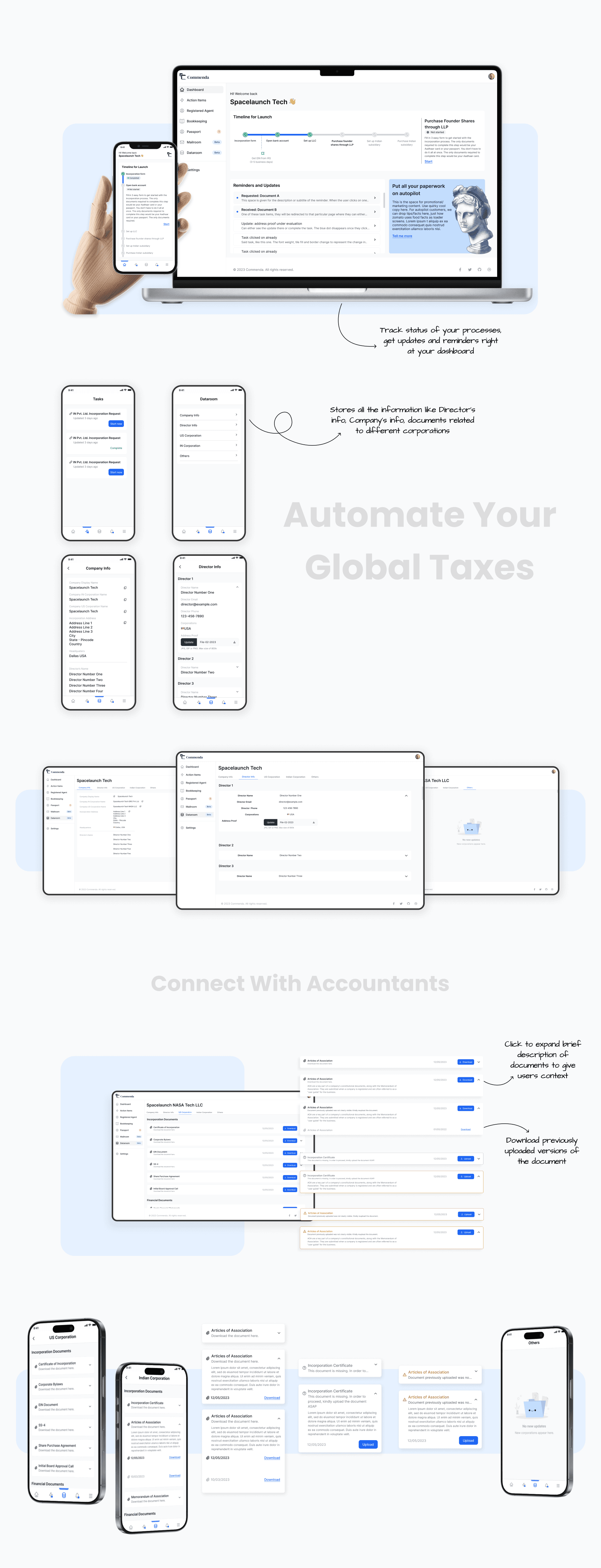
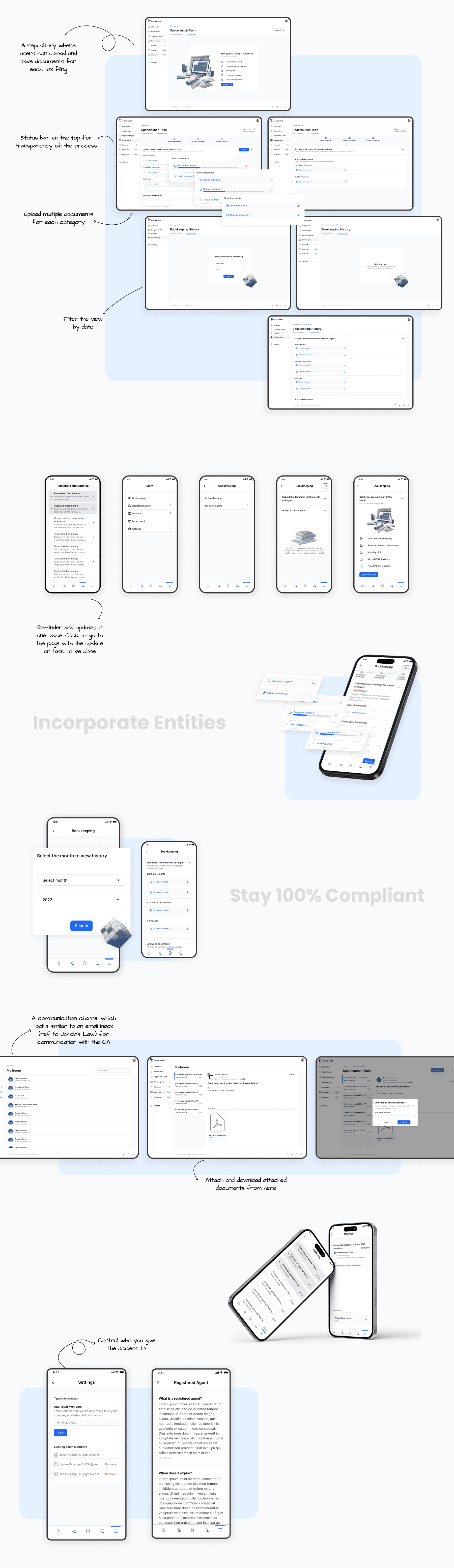
I present the finalized designs that address the key pain points identified through user research. The goal was to make the process as straightforward and efficient as possible, improving overall satisfaction and reducing friction for the users.
Things I learnt
Adaptability of UX Processes: I learned to customize traditional UX methodologies to align with the fast-paced, agile needs of a startup. No single process fits every situation, and flexibility is key to success in such environments.
Value of Collaboration: Collaborating with Aliena Cai during the onboarding process was invaluable. Her guidance helped me ramp up quickly, underscoring the importance of teamwork in achieving project goals efficiently.
Embracing Experimentation: Startups often operate with constrained time and resources, which can limit formal research. I discovered that iterative learning—both from successful features and those that don’t work out—can be incredibly insightful, especially in early-stage ventures.
Things I'd do differently
Knowing what I know now, here are somethings I would do differently:
Establishing Effective Work Cycles Earlier: We eventually settled on a productive weekly cycle of brainstorming, design, and development, but this took a month to establish. Starting with this structure from the outset would have streamlined collaboration and expedited progress.
Leveraging a Ready-Made Design System: In the early stages, I focused on building a design system incrementally while designing the product. In hindsight, investing in a basic pre-built design system would have saved both design and development considerable time and effort. Since creating a unique visual identity wasn't an immediate priority, this time could have been redirected toward more strategic planning for feature development.